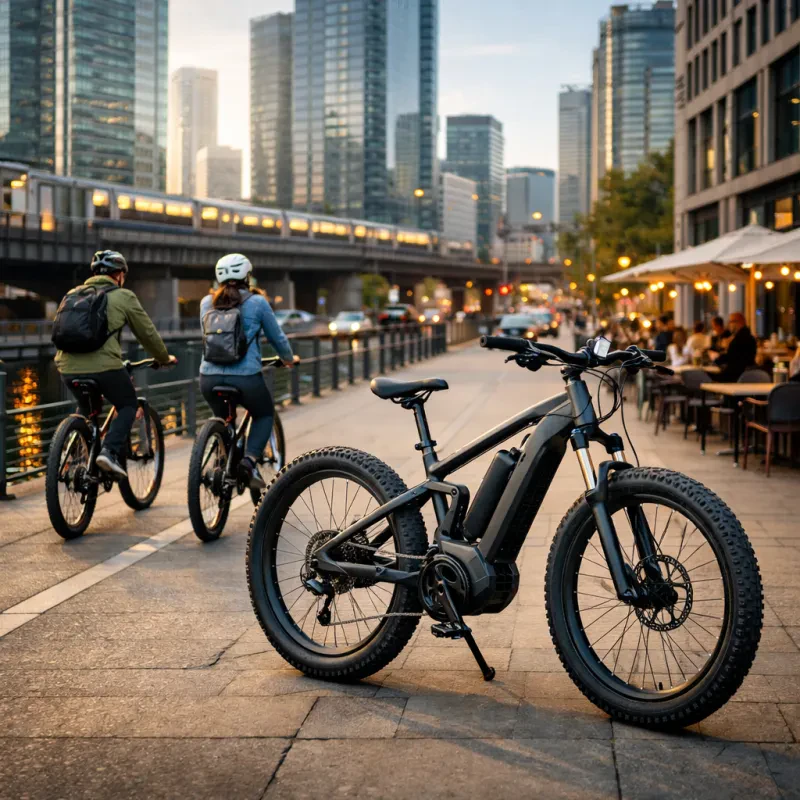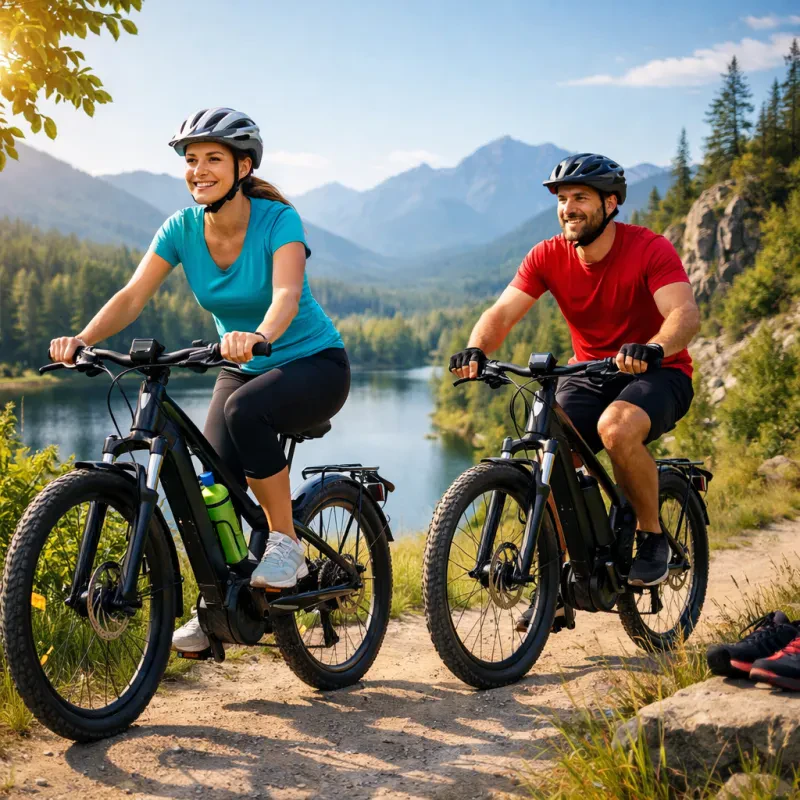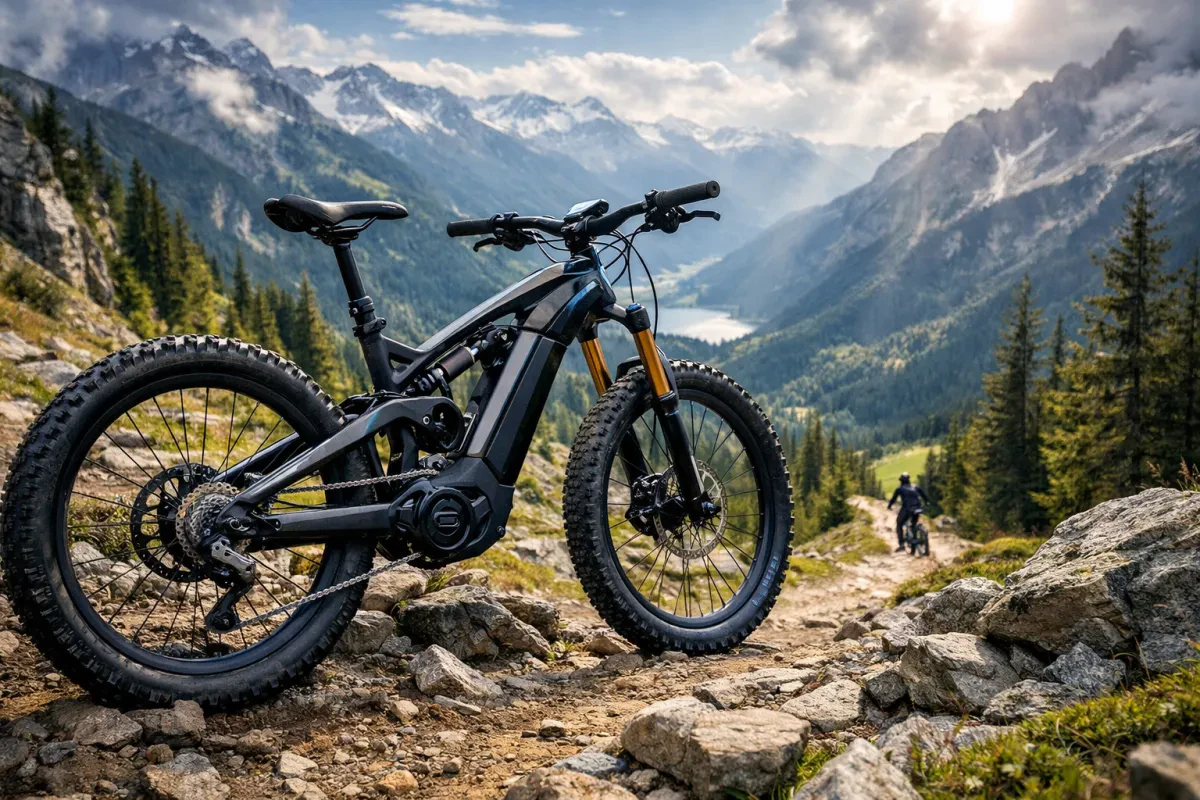
When it comes to riding trails, having the right kind of suspension on your E Mountain Bikes With Suspension System can make all the difference. Suspension helps absorb bumps, giving you a smoother ride and better handling, especially on rugged terrain. Whether you're navigating roots, rocks, or steep descents, a solid suspension setup enhances your overall experience.
There are two main types of suspension you'll find on E Mountain Bikes With Suspension System: hardtail and full suspension. Hardtail bikes have a suspension fork in the front but no suspension in the back. They’re typically lighter and more efficient on climbs, making them a good choice if you mostly tackle smoother trails. On the other hand, full suspension bikes feature both front and rear suspension. This setup provides better shock absorption, making it easier to ride over rough patches.
Setup also matters. Most E Mountain Bikes With Suspension System let you adjust things like sag, rebound, and compression. Getting these settings right can help you tailor your bike to your riding style and the types of trails you’ll be on. A properly tuned suspension can increase comfort and control, letting you focus on enjoying your ride instead of worrying about every jolt and bump.
So, whether you’re partaking in a leisurely ride through the woods or tackling aggressive terrain, choosing the right suspension system for your E Mountain Bikes With Suspension System is key. Think about where you’ll be riding most often and make your choice. Happy riding!
How Suspension Impacts Your Ride
When it comes to E Mountain Bikes With Suspension System, the type of suspension you choose can seriously change your ride. Good suspension helps absorb bumps, rocks, and uneven terrain, so you don’t feel every little jolt. This means you'll have a smoother and more comfortable ride, whether you're tackling a technical trail or cruising down a gravel path.
There are typically two types of suspension: front suspension and full suspension. Front suspension bikes, or hardtails, have a shock absorber in the front. They're lightweight and great for climbing hills. Full suspension bikes, on the other hand, have shocks in both the front and back, which means they handle rough terrain much better. If you hit a big bump, the bike can soak it up instead of bouncing you around.
So why does this matter? If you plan to ride on rugged trails or over bumpy surfaces, you'll want a bike with good suspension. It gives you better control and keeps your wheels glued to the ground. That makes it easier to steer and maintain your speed, even when the terrain gets tricky.
If you're new to electric mountain biking, think about how you'll be using your E Mountain Bikes With Suspension System. Are you going for casual rides, or are you looking to tackle serious trails? The right suspension setup can make a huge difference in your overall experience.
$2,146.16
4.37 out of 5 stars
2022 Scott Aspect 920 eRide Electric Mountain Bike
Conquer the Trails in Style with the 2022 Scott Aspect 920 eRide Electric Mountain Bike
Product information
Product Review Score
Product links
Types of Suspension Systems Available
When it comes to choosing E Mountain Bikes With Suspension System, one of the big factors to consider is the type of suspension. Different systems can make a huge difference in how your bike feels on the trails. Let’s break down the main types so you can find the right fit for your riding style.
The first type is hardtail suspension. These bikes have a suspension in the front but none in the back. They’re lighter, more affordable, and great for smooth trails. If you mainly ride on easy paths, a hardtail might be a good choice. You’ll feel more connected to the bike, and it allows for quicker climbs.
Then we have full suspension. This system features a shock in both the front and rear, making it super comfortable for rough terrains. Full suspension bikes soak up bumps and jumps, giving you a smoother ride. They're perfect if you tackle rocky trails or like to hit those gnarly descents. You’ll enjoy better control and less fatigue, which is a huge plus on longer rides.
Lastly, there’s dual suspension. This combines both front and rear suspension into one cohesive system. It’s like having the best of both worlds. Dual suspension bikes are versatile and handle various terrains really well. Whether you’re climbing hills or flying down trails, this setup helps maintain traction and minimizes shock, making your rides much more enjoyable.
$185.99
4.84 out of 5 stars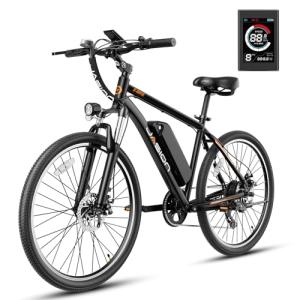
Jasion EB5 Electric Mountain Bike with 500W Motor
Experience the thrill of off-road adventures with this powerful and sleek electric mountain bike
Product information
Product Review Score
Product links
Choosing the Right Suspension for You
Picking the right suspension system for your E Mountain Bikes With Suspension System can totally change your ride. It's all about comfort and control. If you love tackling rocky trails, a solid suspension will help absorb bumps and keep you stable. But if you mostly cruise on smooth paths, a simpler setup might suit you just fine.
There are mainly two types of suspension: hardtail and full-suspension. Hardtail bikes come with front suspension only. They’re lighter, cheaper, and great for climbing hills. If you prefer more control on rough terrain, a full-suspension setup is your best buddy. It gives you that extra cushioning in the back, making those rocky descents much more enjoyable.
Another thing to consider is the amount of travel. This refers to how much the suspension can compress. For casual riding, 100-120mm of travel is usually fine. But if you’re hitting the trails hard, look for something in the 140-160mm range. That’ll give you a smoother ride over big drops and rough patches.
Don’t forget to think about your riding style. Are you an aggressive rider or do you prefer a laid-back approach? Understanding your style helps you choose the right stiffness in your suspension. Softer setups feel great on bumps, but too soft can make pedaling uphill a bit of a chore. Find the sweet spot that fits your riding groove.